Introduction
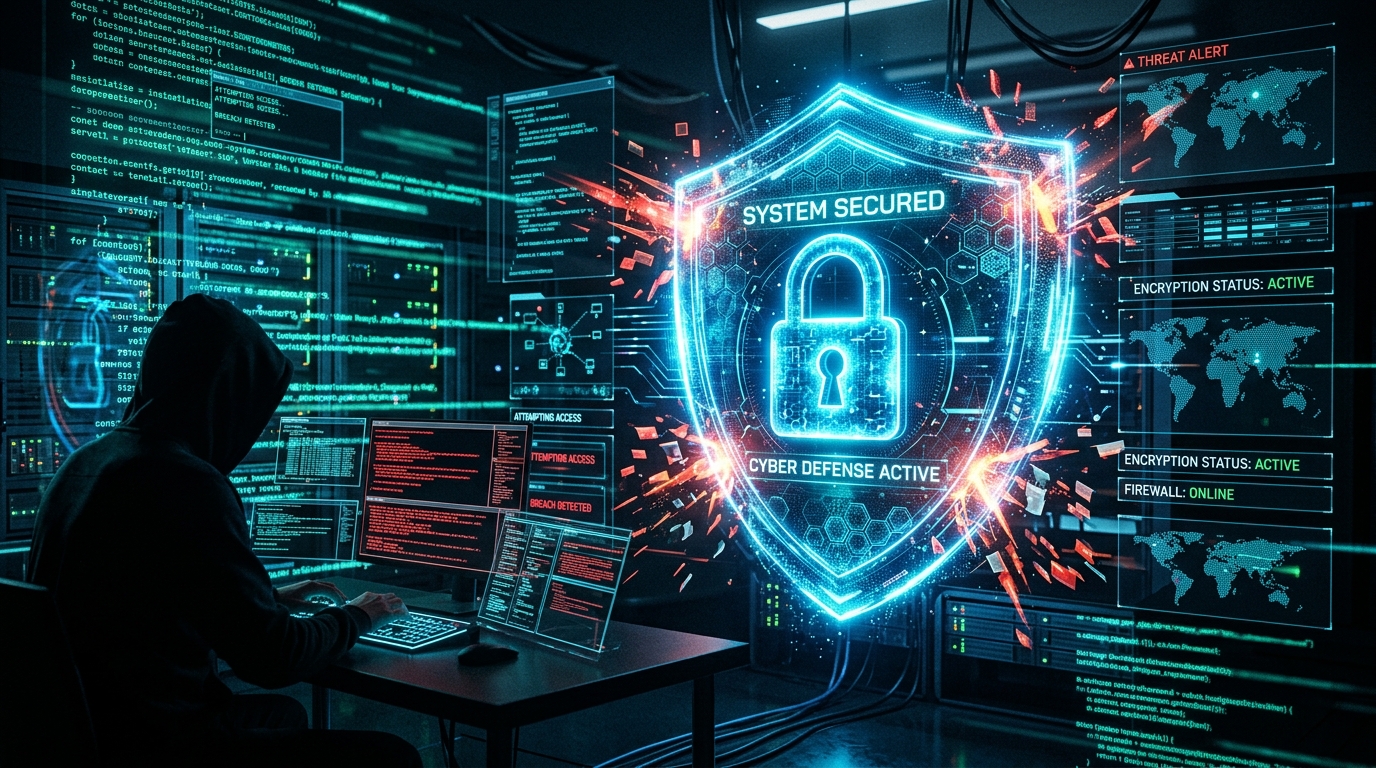
As technology advances, cyber threats are becoming more sophisticated and dangerous. In 2026, individuals and businesses face constant risks from hackers, malware, phishing attacks, and data breaches.
Cybersecurity is no longer optional—it is essential. Whether you’re browsing the internet, running a website, or managing online accounts, protecting your digital presence is critical.
This guide will explain what cybersecurity is, major threats in 2026, and practical steps to stay safe online.

What is Cybersecurity?
Cybersecurity refers to the practice of protecting systems, networks, and data from digital attacks. These attacks often aim to:
- Steal sensitive information
- Disrupt services
- Gain unauthorized access
- Damage systems
Cybersecurity includes tools, strategies, and best practices designed to prevent these threats.
Major Cyber Threats in 2026
🔴 1. Phishing Attacks
Phishing remains one of the most common threats. Attackers trick users into revealing sensitive data through fake emails, messages, or websites.
🔴 2. Ransomware
Ransomware locks your files and demands payment to restore access. It targets both individuals and large organizations.
🔴 3. Malware and Spyware
Malicious software can steal data, monitor activity, or damage your system.
🔴 4. AI-Powered Attacks
Hackers are now using AI to create more convincing scams and automate attacks.
🔴 5. Data Breaches
Large databases are frequently targeted, exposing personal information like passwords and financial data.
Why Cybersecurity is Important
- Protects personal information
- Prevents financial loss
- Safeguards business data
- Maintains privacy
- Builds trust online
Without proper security, even a small mistake can lead to serious consequences.
Essential Cybersecurity Practices
🔐 1. Use Strong Passwords
Create complex passwords with a mix of letters, numbers, and symbols. Avoid using the same password across multiple sites.
🔐 2. Enable Two-Factor Authentication (2FA)
2FA adds an extra layer of security by requiring a second verification step.
🔐 3. Keep Software Updated
Regular updates fix security vulnerabilities and improve protection.
🔐 4. Avoid Suspicious Links
Do not click on unknown or unverified links in emails or messages.
🔐 5. Use Antivirus and Security Tools
Reliable security software helps detect and remove threats.
🔐 6. Secure Your Wi-Fi Network
Use strong passwords and encryption (WPA3) to protect your internet connection.
Advanced Security Tips
- Use a VPN for secure browsing
- Backup data regularly
- Monitor account activity
- Limit app permissions
- Use encrypted messaging apps
Common Cybersecurity Mistakes
- Using weak or repeated passwords
- Ignoring software updates
- Downloading cracked or pirated software
- Sharing sensitive information publicly
Future of Cybersecurity
Cybersecurity will continue to evolve alongside technology. Key trends include:
- AI-powered defense systems
- Biometric authentication (fingerprint, face recognition)
- Zero-trust security models
- Increased privacy regulations
Conclusion
In 2026, cybersecurity is more important than ever. As threats grow more advanced, staying informed and following best practices can help protect your data, identity, and digital life.
Taking simple steps today can prevent major problems tomorrow.
FAQs
❓ What is the biggest cybersecurity threat today?
Phishing and ransomware are among the most common and dangerous threats.
❓ Is antivirus enough for protection?
No, it should be combined with good security habits and additional tools.
❓ How can I protect my personal data online?
Use strong passwords, enable 2FA, avoid suspicious links, and keep software updated.